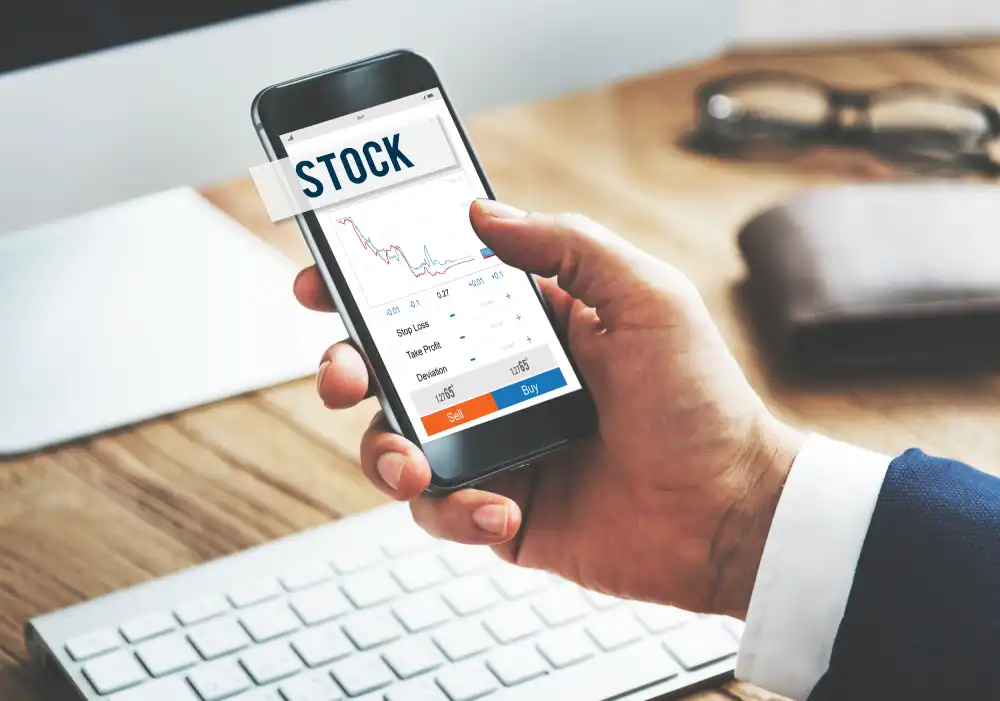
Stock trading for beginners in India has become easier due to new technology, changes in regulation, and increasing participation from retail investors. Whether you’re looking to invest a few hundred rupees or are hoping to build wealth for the future, this guide will show you how to initiate stock trading with limited capital. By just getting involved with stock trading, you may have an opportunity to earn a profit, even with such a minimal investment.
Understanding Stock Trading Basics
Before participating in the stock market, you should be aware of the fundamental concepts of share trading. Below is a description of the terms and concepts you should know.
- Stock Market: A stock market is a marketplace for buying and selling shares of publicly traded companies. In India, the largest stock exchanges are the Bombay Stock Exchange (BSE) and the National Stock Exchange (NSE).
- Demo Account: Most stock brokers now offer a Demat (Dematerialised) Account, which is an electronic account where your shares are kept. In the past, you were given physical share certificates, which are no longer the norm. That means your stockholdings are all held electronically.
- Trading Account: A Trading Account is an account you use to buy and sell stocks with the help of a broker. Your stocks are stored in a Demat account, where your trading account allows you to purchase and sell in the stock market.
- Stock Exchanges: Indian stock exchanges, such as BSE and NSE, facilitate your ability to buy and sell stocks. This is the marketplace where they list and trade securities. It is recommended that you understand what stock exchanges are to trade in the stock market.
As of July 2025, the NSE has 23 crore (230 million) unique trading accounts, which serves to highlight the extent to which retail investors are entering the marketplace!
How Much Money Do You Need to Start?
You don’t need deep pockets to begin trading, contrary to popular belief. The total amount you put in will depend on your goals and risk tolerance. In India, there is no minimum requirement to begin trading. The advent of platforms that offer fractional shares, as well as a plethora of low-cost options, means you could be trading with as little as ₹100.
Most brokerage firms will have a minimum account balance; keep in mind trading commissions, taxes, and brokerage fees! If you are going to trade actively, factor in recurring costs that will chip away at your returns; however, some brokers, such as Zerodha, Groww, and Tradex1.live, have zero brokerage plans for equity delivery, which makes them viable options for beginners admiring their overall pricing.
Steps to Begin Stock Trading with Limited Funds
Get a Demat and Trading Account
First, you’ll need a trading account to buy and sell, plus a Demat account to hold your shares online. Choose a good stockbroker. Zerodha, Groww, Upstox, and ICICI Direct are some popular choices in India.
Each one has different features and fees, so pick what works for you and your goals. If you’re new, look for brokers with zero or low brokerage fees. Also, find brokers with easy-to-use apps and websites to help you manage your investments.
Start Small with Low-Cost Investments
A good move if you don’t have much money is to invest in low-cost options.ETFs and Index Funds are great because they let you put your money in lots of different things without spending a lot. ETFs follow an index or sector, so they’re not as risky as single stocks.
If you don’t want a lot of risk, Index Funds let you invest in a group of stocks that copy a market index like the Nifty 50 or Sensex. It’s a safe way to get into the market without betting everything on one company.
Stick to Blue-Chip Stocks
Go with blue-chip stocks as a start. Blue-chip stocks are stocks from big, established companies that have been around for a long time and have steadily been making money. Examples are HDFC Bank, Tata Motors, Infosys and Reliance Industries.
Blue-chip stocks do not fluctuate as often as smaller stocks, meaning they are a good option for new investors. They may not attain crazy returns, but they generally provide a higher degree of reliability, allowing you not to worry about a whole lot about the investment going up or down during your holding period and your investment growing through simple returns over time.
Use Stop-Loss Orders
A simple way to manage risk on your investment is with a stop-loss order. A stop-loss order automatically sells your stocks once the price has reached a level you have established. It is a way of managing the consequences of potential losses, which is crucial when you are limited in your capital.
As a new investor, protecting your capital is just as important as making capital. Take advantage of stop-loss orders to protect your capital, especially during times of volatility in the market.
Practice with Virtual Trading
Many brokers have demo accounts where you can try trading with fake money. This is a fantastic way to get used to the stock market and practice trading without any risk. Test your skills and plans before you start trading for real.
Stock Trading for Beginners: Key Takeaways
- Take It Easy: Begin with an amount you’re comfortable with and can afford to lose.
- Educate Yourself: Study the fundamentals of the marketplace, trading techniques, and risk management strategies.
- Diversify Your Holdings: Don’t put all your eggs in one basket. You should be investing in various sectors or asset types.
- Continuously Learn: Follow market trends and economic indicators, as well as company performance. Following business news and stock reviews can help you make informed decisions.
- Practice Patience: Trading stocks is a long game. Don’t look to chase profits quickly; look to create wealth over time.
Exploring Tradex1.live: A Platform for New Traders
Tradex1.live has some cool stuff for new stock traders with not much money. Just remember, trading can be risky, especially with high leverage. Here’s the good stuff:
- No Fees: Trade without brokerage fees, which is great if you’re just starting.
- High Leverage (500x): Control bigger trades with less cash, but be careful!
- 24/7 Access: Deposit and withdraw money whenever you want.
- Trade Globally: Trade on both the Indian and US markets.
- Easy to Use: Simple design for both beginners and pros.
- Learn to Trade: Plenty of stuff to help you get better.
Tradex1.live has nice perks, but get to know all the risks and pick what works for you. Always do your homework and be careful when investing.
Conclusion
Starting stock trading for beginners has achievable potential with little money to begin with, in the year 2025. Once you’ve learned the basics of stock trading, chosen the best platforms and brokers for your journey, and learned to manage risk, you will have no trouble trading stocks and growing your money. Platforms such as Tradex1.live help in helping new traders learn to trade by providing a safe place to first practice trading stocks.
Download app: Android User | IOS User | Web Trader
Reach Tradex: https://tradex1.live/links/