In the first few steps of trading, many Indian traders face a quiet problem. The platform feels simple on the screen, yet the cost structure behind it feels layered and hard to read. So, it is important to address a question that often appears in trader discussions around the Top 5 trading apps in India. If brokerage is shown as zero, how does the system continue to function stably and lawfully? This write-up studies that question in a calm, academic tone. It explains how zero brokerage models operate, how risk is balanced, and why such structures now appeal to disciplined traders who value transparency and control.
What Does Zero Brokerage Trading Actually Mean in Practice?
Zero brokerage trading refers to a pricing structure where the platform does not charge a direct fee on executed trades. This does not remove the presence of operational cost. Instead, the cost is managed through alternative channels that remain compliant with Indian market norms.
In the context of the Top 5 trading apps in India, zero brokerage usually applies to specific segments such as intraday trades or derivative contracts. Statutory charges, exchange fees, and taxes still apply as required by regulation. The trader benefits from cost predictability, which supports better planning and disciplined position sizing. This structure appeals to new and experienced traders who seek consistency rather than short-term incentives.
How Do Zero Brokerage Platforms Sustain Their Operations?
A zero brokerage model relies on scale, technology, and structured risk systems rather than transaction fees. Platforms earn through tightly managed spreads, advanced margin utilisation, and backend liquidity arrangements.
Among the Top 5 trading apps in India, sustainability comes from high trading volumes processed through automated systems that reduce manual intervention. Operational efficiency replaces commission-based income. The model remains viable because costs are controlled at the infrastructure level rather than passed to the trader. This approach aligns with long-term platform stability and measured growth.
Where Does Margin Trading Fit Into Zero Brokerage Models?
Margin trading plays a central role in zero brokerage structures. Platforms offer leveraged exposure while maintaining strict internal checks. The margin provided is backed by automated risk engines that track price movement in real time.
For traders reviewing the Top 5 trading apps in India, margin availability often becomes a deciding factor. The absence of brokerage allows traders to focus on position management instead of fee calculation. Behind the screen, margin systems are designed to protect both the trader and the platform through predefined thresholds and timely square-offs.
Are Zero Brokerage Models Regulated in the Indian Market?
Yes, zero brokerage platforms operate within the same regulatory framework as traditional brokers. They remain accountable to exchange rules, audit standards, and reporting obligations.
In studies comparing the Top 5 trading apps in India, regulatory adherence stands as a shared foundation. The difference lies in how platforms structure revenue rather than how they comply with the law. This ensures that traders operate in an environment governed by formal oversight, which supports trust and continuity.
Why Do New Traders Often Misread Zero Brokerage Benefits?
Many new traders focus only on the absence of brokerage and overlook execution quality, margin terms, and risk controls. Zero brokerage reduces entry cost but does not remove market responsibility.
When analysing the Top 5 trading apps in India, experienced traders often look beyond pricing and assess system discipline. A well-built zero brokerage model encourages structured trading habits. It discourages overtrading by placing emphasis on margin awareness and position timing rather than frequent order placement.
How Does Technology Shape Zero Brokerage Trading Systems?
Technology forms the backbone of zero brokerage platforms. Order routing, margin checks, and settlement processes are handled through automated frameworks that reduce latency and error.
In platforms ranked among the Top 5 trading apps in India, technology replaces manual supervision. This allows platforms to offer stable execution even during high-volume market hours. For traders, this means fewer disruptions and consistent access to the market during critical moments.
What Role Does Data Play Behind Zero Brokerage Platforms?
Data analysis guides every decision within a zero brokerage system. Price behaviour, order flow, and risk exposure are monitored continuously. This data-driven approach supports informed margin allocation and timely risk control actions.
Traders evaluating the Top 5 trading apps in India often notice that data-backed systems respond faster to volatility. This reduces the chance of sudden account stress. The platform benefits through controlled exposure, while traders gain from structured safeguards.
How Should Traders Evaluate Zero Brokerage Platforms Objectively?
Evaluation should focus on execution reliability, margin transparency, and system discipline rather than headline pricing. Zero brokerage is effective only when supported by strong backend processes.
Among the Top 5 trading apps in India, platforms that explain their cost structure openly tend to attract serious traders. Objective evaluation helps traders select systems aligned with long-term learning rather than short-term activity.
What Makes Tradex’s Approach Relevant in This Structure?
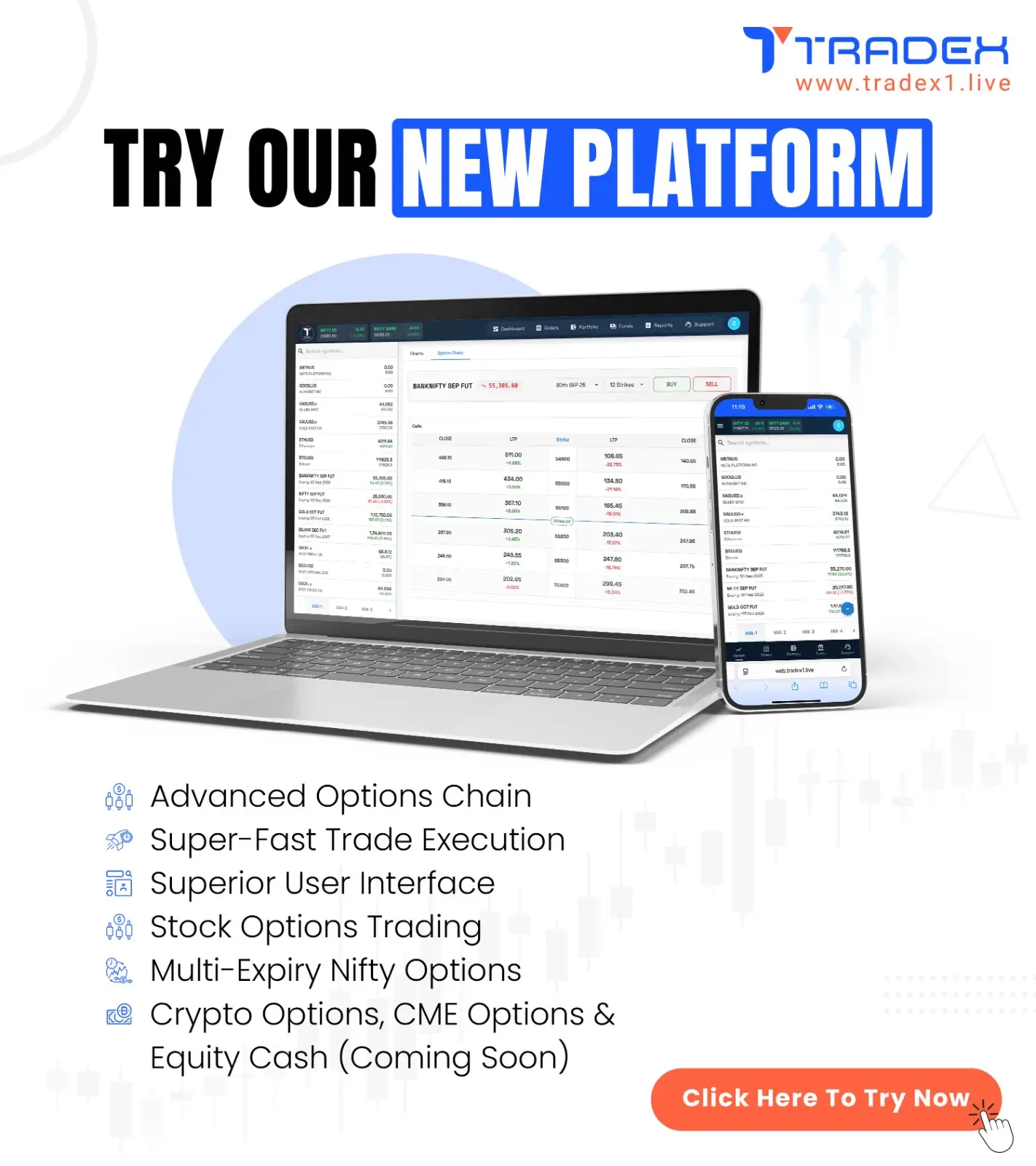
Tradex operates within the zero brokerage framework while placing emphasis on system discipline and transparent margin use. The platform structure reflects an understanding of Indian trader behaviour and market rhythm.
In comparative discussions around the Top 5 trading apps in India, Tradex is often noted for balancing access with responsibility. The design supports traders who prefer measured decisions over reactive trading. This approach aligns with sustainable trading practices rather than volume-driven activity.
Why Is Zero Brokerage a Structural Shift Rather Than a Pricing Trend?
Zero brokerage represents a shift in how trading platforms define value. The focus moves from transactional income to long-term participation and system efficiency.
As seen across the Top 5 trading apps in India, this structure supports traders who value learning, discipline, and consistency. It reflects a mature market where technology enables cost reduction without compromising regulatory standards.
Final Reflection
Zero brokerage trading models succeed when built on sound systems, transparent rules, and disciplined technology. They reward traders who approach the market with structure and patience. Platforms like Tradex1.live illustrate how such models can function responsibly within Indian markets. For traders seeking stability rather than noise, understanding how these systems work behind the scenes becomes a necessary part of informed participation.