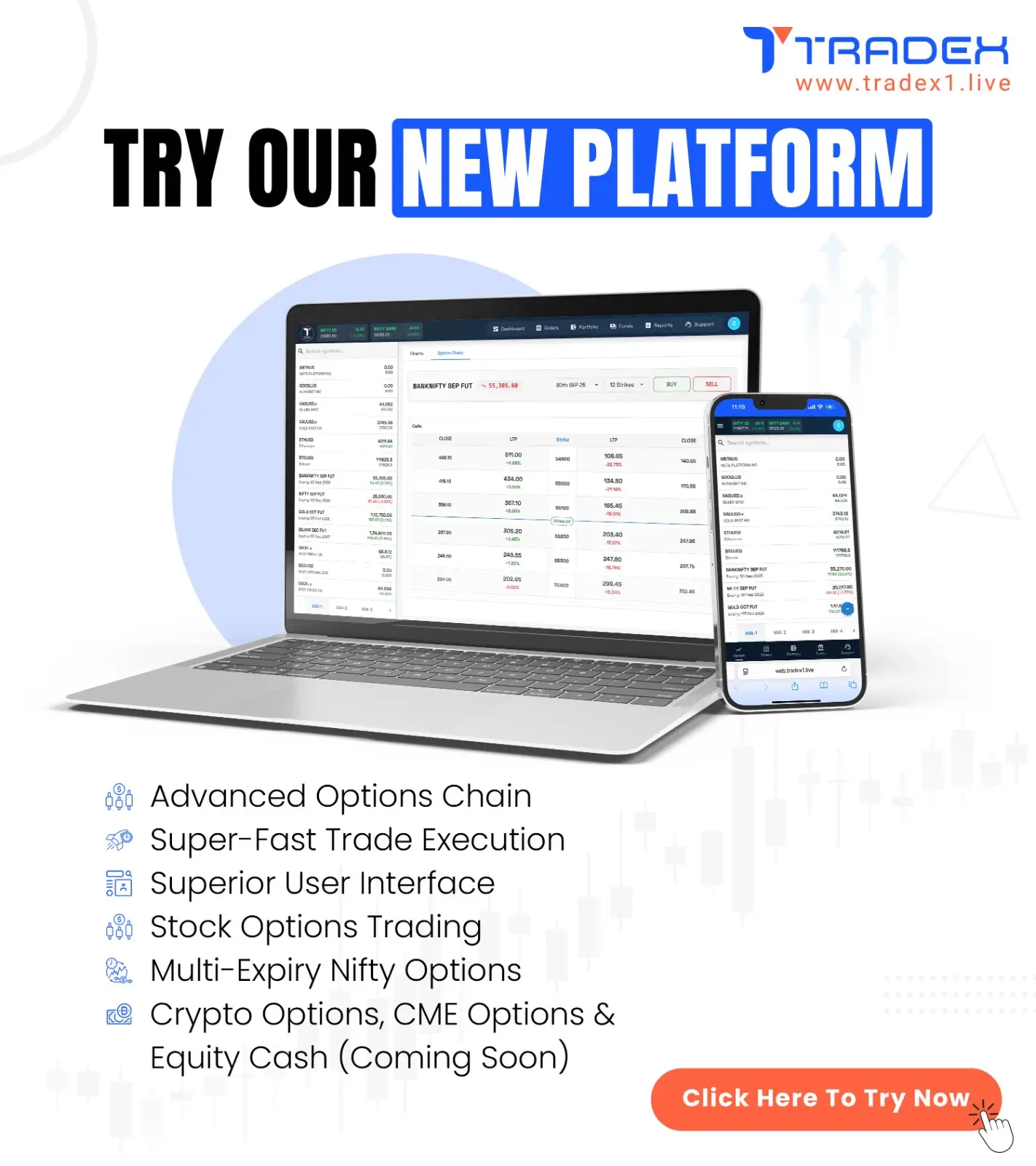
In active trading, cost control remains a subject of professional discipline rather than marketing appeal. Traders who operate with precision understand that brokerage is only one element in a larger cost structure. Slippage, execution latency, order depth, and platform design collectively influence realised outcomes. This discussion examines how disciplined traders approach slippage and hidden costs while operating on the Best zero brokerage trading platform, with specific reference to execution behaviour, margin usage, and order mechanics. Tradex is referenced as a practical environment where such cost considerations are structured with institutional intent rather than promotional emphasis.
Why Does Slippage Matter On A Zero Brokerage Trading Platform?
Slippage reflects the difference between the intended order price and the executed price. On a zero brokerage trading platform, brokerage savings are often visible, whereas slippage remains understated and poorly understood.
Slippage occurs due to market depth limitations, volatility at the time of order placement, and the routing logic used by the platform. During high-volume sessions in Indian indices or currency derivatives, price movement between order submission and execution can materially affect outcomes. Traders who rely solely on zero brokerage pricing without analysing execution mechanics often underestimate this impact.
On the best zero-commission trading platform, slippage management relies on transparent order routing, server proximity to exchanges, and disciplined order types. Tradex integrates execution logic that prioritises price certainty over superficial speed metrics. This approach aligns with professional trading conduct rather than chasing speculative volume.
How Can Traders Reduce Slippage Without Paying Brokerage Fees?
Reducing slippage requires structural discipline rather than additional cost. Zero brokerage trading platforms place the responsibility of execution control largely on the trader.
Limit orders remain the primary instrument for slippage control. While market orders prioritise execution certainty, they expose traders to adverse price movement during volatile conditions. Professional traders on Tradex consistently favour limit-based execution during non-event periods and adopt predefined tolerance thresholds during macro-driven sessions.
Another critical factor involves order timing. Trades placed near market open or close often experience widened spreads. Traders operating on the Best zero brokerage trading platform tend to align entries with periods of stable liquidity rather than emotional price action. This behaviour reduces implicit costs without introducing explicit fees.
Does High Margin Trading Increase Hidden Trading Costs?
High leverage, such as 500x margin availability, alters cost exposure rather than eliminating it. Margin magnifies both favourable execution and slippage-related inefficiencies.
On zero brokerage trading platforms, margin usage must be evaluated alongside liquidation rules and mark-to-market policies. Excessive leverage during illiquid periods increases the probability of forced exits at unfavourable prices. This outcome reflects cost through price displacement rather than brokerage charges.
Tradex structures margin access with defined risk parameters and transparent liquidation thresholds. Traders who approach margin as a precision tool rather than an aggressive multiplier tend to maintain consistent execution quality. Within the Best zero brokerage trading platform framework, margin efficiency depends on trader discipline rather than advertised leverage limits.
What Role Does Platform Infrastructure Play In Execution Costs?
Infrastructure quality determines whether zero brokerage translates into meaningful cost efficiency. Server location, exchange connectivity, and order queue prioritisation influence execution integrity.
Platforms operating with outdated routing frameworks often introduce micro-delays that accumulate across multiple trades. These delays become visible during index rebalancing, news releases, or rapid futures movement. Traders may misinterpret these effects as market volatility rather than infrastructural limitation.
Tradex invests in execution stability by maintaining low-latency connections and predictable order handling behaviour. This consistency enables traders to plan execution strategies with confidence rather than reactive adjustment. On the Best zero brokerage trading platform, infrastructure reliability functions as a cost control mechanism rather than a technical luxury.
Are Zero Brokerage Platforms Truly Cost Transparent?
Cost transparency extends beyond brokerage disclosure. It includes spread behaviour, rollover pricing, funding adjustments, and execution disclosures.
Many platforms advertise zero brokerage while compensating through widened spreads or internalised order flow. Such practices shift cost invisibly to the trader. Professional evaluation requires scrutiny of contract specifications, tick behaviour, and execution reports.
Tradex maintains clear contract documentation and avoids spread manipulation during standard liquidity conditions. This transparency allows traders to evaluate actual trading costs objectively. The Best zero brokerage trading platform is identified not by headline pricing, but by the absence of unexplained price distortions.
How Should Traders Evaluate Cost Efficiency Before Signing Up?
Evaluation begins with controlled observation rather than immediate capital deployment. Experienced traders conduct test trades across different market phases to analyse execution consistency.
Key evaluation points include slippage frequency, fill quality on limit orders, and behaviour during volatility spikes. Reviewing order logs and execution timestamps provides insight into platform reliability.
Tradex supports such evaluation by offering clear trade histories and execution breakdowns. Traders assessing the Best zero brokerage trading platform should prioritise data transparency over promotional messaging. Cost efficiency becomes evident through repeated execution outcomes rather than isolated trades.
Why Do Professional Traders Prefer Structured Platforms Over Promotional Ones?
Professional traders operate within defined frameworks. They value consistency, rule-based execution, and predictable system behaviour. Platforms that rely heavily on incentives often compromise on execution stability.
Structured platforms emphasise risk controls, margin clarity, and operational integrity. These attributes reduce behavioural errors and execution uncertainty. Tradex aligns with this philosophy by focusing on operational discipline rather than short-term engagement tactics.
Within the Best zero brokerage trading platform category, long-term trader retention is achieved through execution trust rather than marketing volume. This distinction becomes visible as trading frequency increases and cost sensitivity sharpens.
Conclusion
Managing slippage and execution cost represents a professional obligation rather than a technical afterthought. Zero brokerage trading platforms shift responsibility from fee negotiation to execution discipline. Traders who approach this environment with structured evaluation and behavioural control derive measurable benefit.
Tradex presents an operational environment where cost awareness is supported by transparent systems rather than marketing assurances. For traders seeking the Best zero brokerage trading platform, the defining factor remains execution integrity sustained over time, not isolated fee savings.
In trading, cost efficiency emerges quietly through consistency, not through promises.
FAQs
What Is Slippage In Zero Brokerage Trading?
Slippage refers to price difference between order placement and execution caused by liquidity, volatility, or routing delays.
Does Zero Brokerage Mean Zero Trading Cost?
No. Trading costs also include spreads, slippage, funding adjustments, and execution quality.
Is High Margin Suitable For All Traders?
High margin suits disciplined strategies with strict risk control. Indiscriminate use increases implicit costs.
How Can Traders Identify Execution Quality?
By reviewing fill prices, order timestamps, and behaviour during volatile sessions.
Download app: Android User | IOS User | Web Trader
Reach Tradex1.live: https://tradex1.live/links/