Volatility is not an external disruption within markets; it is the natural condition under which price discovery occurs. Within the first fifty words, it is essential to state that Commodity trading in India operates within a framework shaped by seasonality, global demand, cg in India currency movement, and domestic policy. Traders who treat volatility as an analytical variable rather than a threat tend to develop durable strategies. This discussion adopts a structured, academic approach to understanding volatility management, with reference to Indian commodity markets and the operational environment offered by Tradex1.live.
How Does Volatility Shape Commodity Trading In India At A Structural Level?
Volatility in Indian commodity markets emerges from identifiable economic and institutional factors. These include agricultural cycles, geopolitical supply dependencies, import-export regulations, and exchange-level margin adjustments. Unlike equity markets, commodities respond to physical constraints such as weather patterns, logistics, and storage capacity.
In Commodity trading in India, volatility often reflects information asymmetry between domestic production data and international pricing benchmarks. For instance, movements in crude oil or bullion are frequently driven by external macroeconomic developments, while agricultural commodities respond to domestic crop reports and monsoon patterns. Traders who contextualise price movement within these structures tend to avoid reactionary decision-making.
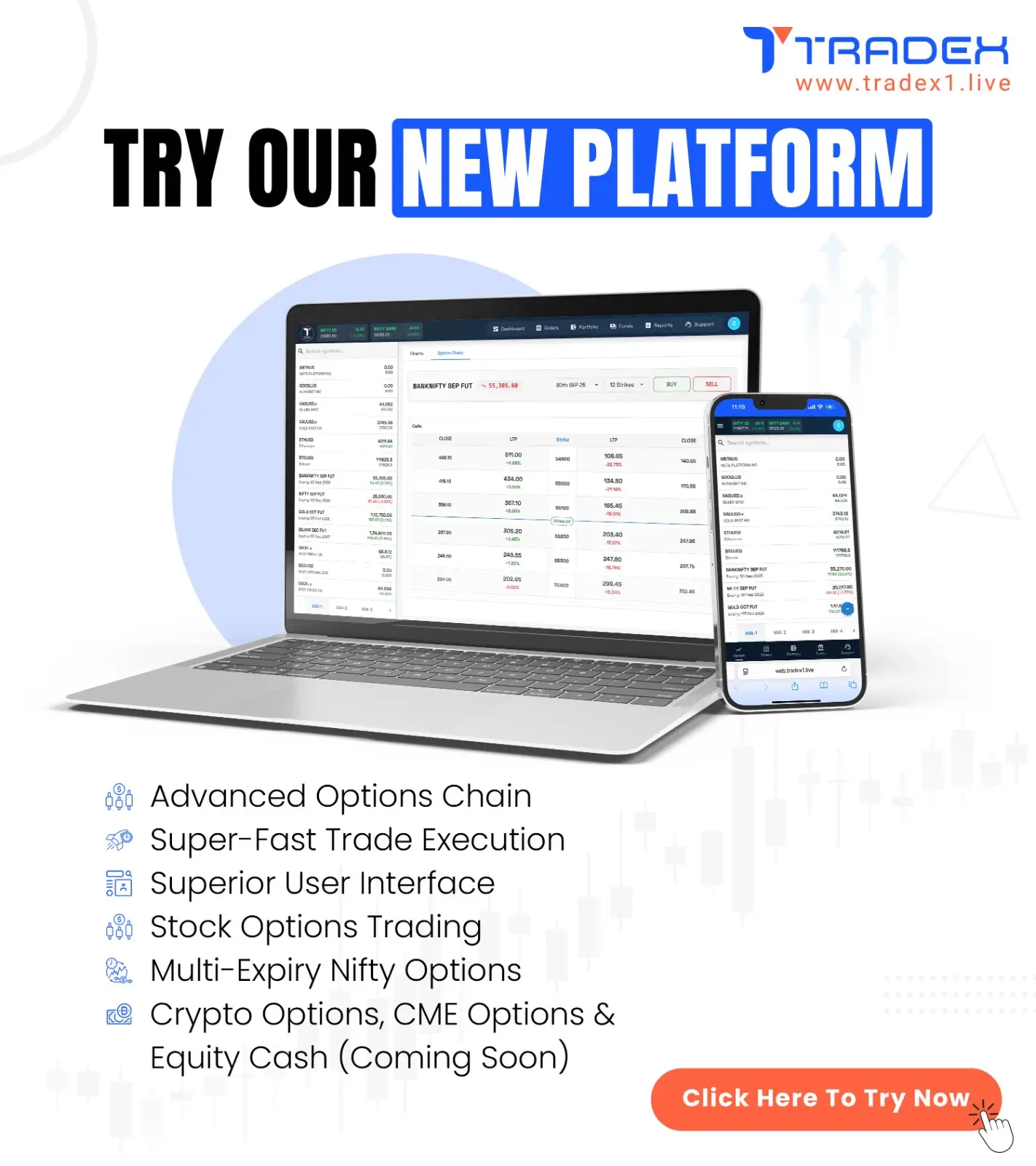
Tradex1.live provides access to commodity contracts with defined specifications, allowing traders to evaluate volatility within a regulated framework rather than informal price behaviour.
Why Is Volatility Not Always A Risk For Commodity Traders?
Volatility becomes a risk only when it is misunderstood or ignored. In disciplined trading practice, volatility functions as a measurable input rather than an unpredictable disturbance. Historical price ranges, implied volatility, and volume behaviour provide actionable insight when analysed systematically.
In the context of Commodity trading in India, professional traders often align strategies with volatility regimes rather than attempting constant market participation. Periods of elevated volatility may suit short-duration trades, while compressed volatility often supports range-based positioning.
Tradex1.live supports this approach by offering stable execution and defined margin parameters, allowing traders to align exposure with prevailing volatility conditions rather than reacting to price spikes.
What Causes Sudden Price Swings In Indian Commodity Markets?
Sudden price movement typically arises from discrete events rather than random fluctuation. Policy announcements by Indian regulators, changes in import duties, global inventory reports, and currency movement against the US dollar frequently act as catalysts.
For agricultural commodities, unexpected weather deviations or government procurement decisions can produce sharp intraday movement. For metals and energy products, global macroeconomic data often transmits volatility across exchanges.
Within Commodity trading in India, traders who maintain awareness of scheduled data releases and policy calendars tend to manage exposure with greater control. Tradex1.live enables such preparedness by maintaining transparent contract access and stable trading infrastructure during high-impact sessions.
How Should Traders Structure Positions During High Volatility?
Position structure plays a decisive role during volatile conditions. Reduced position size, predefined exit thresholds, and selective participation are commonly employed by experienced traders. The objective is not to avoid volatility, but to prevent volatility from dictating behaviour.
Margin availability, including higher leverage options, requires proportional risk calibration. Excessive exposure during unstable sessions often results in forced exits that reflect execution cost rather than analytical error.
Tradex1.live allows traders to adjust margin usage according to strategy requirements, enabling structured participation during volatile phases without operational disruption.
Does Market Timing Matter In Commodity Trading In India?
Timing influences both volatility exposure and execution quality. Indian commodity markets exhibit distinct behaviour during international overlap hours, particularly when global commodities are actively traded elsewhere.
Professional participants in Commodity trading in India often restrict trading activity to periods where liquidity supports controlled execution. Trading during low-volume intervals may amplify price movement without meaningful opportunity.
Tradex1.live maintains execution consistency across sessions, allowing traders to plan participation based on liquidity conditions rather than platform variability.
What Role Does Risk Discipline Play In Volatile Markets?
Risk discipline transforms volatility from a threat into a working variable. Predefined risk limits, adherence to strategy parameters, and avoidance of emotional responses underpin consistent trading outcomes.
Volatility exposes weaknesses in planning rather than causing losses independently. Traders who reassess strategy after each volatile cycle tend to refine execution rather than abandon methodology.
Within Tradex1.live, risk management tools and transparent reporting support disciplined evaluation, which is essential in volatile commodity environments.
Can Technology Reduce Volatility Impact For Traders?
Technology does not eliminate volatility; it improves response quality. Stable order execution, accurate pricing, and transparent contract data allow traders to focus on analysis rather than platform uncertainty.
Execution delays or inconsistent pricing magnify volatility-related cost. Traders benefit when infrastructure remains predictable during high-volume periods.
Tradex1.live emphasises operational stability, which supports structured trading behaviour during volatile market phases without reliance on promotional incentives.
Conclusion
Volatility should be approached as an analytical constant rather than an obstacle. In Commodity trading in India, traders who operate within structured frameworks tend to sustain consistency across market cycles. Tradex1.live offers an environment where volatility can be analysed and managed through disciplined execution rather than speculative engagement.
Long-term trading proficiency emerges from methodical response to volatility, supported by reliable infrastructure and measured decision-making. This perspective aligns with professional trading conduct rather than short-term market reaction.
FAQs
What Is Volatility In Commodity Markets?
Volatility refers to the degree of price fluctuation within a defined period, influenced by supply, demand, and external events.
Is Volatility Higher In Commodity Trading Than in Equities?
Commodity markets often experience sharper price movements due to physical supply constraints and global dependencies.
How Can Traders Manage Market Volatility Effectively?
Through position sizing, timing discipline, and structured risk limits.
Does Platform Choice Affect Volatility Management?
Yes. Execution stability and transparent margin policies influence how volatility impacts trading outcomes.
Download app: Android User | IOS User | Web Trader
Reach Tradex1.live: https://tradex1.live/links/