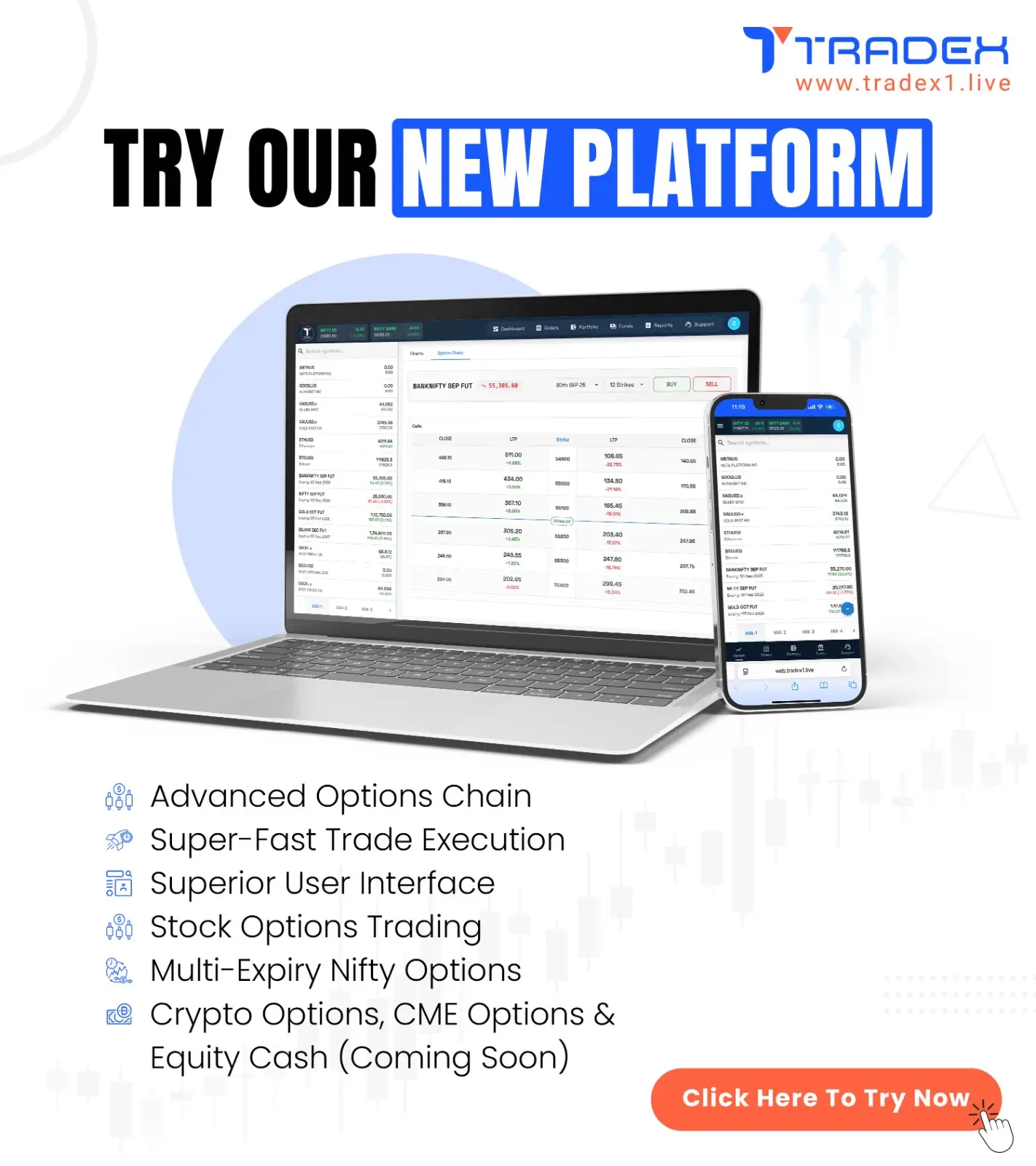
Tradex1.live has been built for traders who read deeply before committing capital and who value structure, discipline, and informed autonomy. Within the first few minutes of engagement, one encounters a trading environment shaped around access, execution speed, and cost rationality. The discussion around a non-SEBI-registered secured trading app often attracts noise. This article removes that noise. It addresses Indian traders directly, through an academic and practical lens, and explains why platforms operating outside domestic regulatory frameworks continue to attract serious participants who understand global trading mechanics.
Why Do Indian Traders Actively Choose a Non SEBI-Registered Secured Trading App?
Indian traders who operate beyond domestic exchanges usually do so after experience, not impulse. The choice reflects intent rather than avoidance.
First, international trading instruments such as global indices, commodities, and currency derivatives require infrastructure that Indian exchanges do not provide. A non SEBI registered secured trading app enables direct exposure to these instruments through offshore liquidity providers.
Second, capital efficiency matters. Traders who hedge, scalp, or deploy structured strategies often require margin flexibility that is unavailable within SEBI frameworks. Offshore platforms legally operate under different capital and leverage norms.
Third, execution environments differ. Many Indian traders seek platforms where order flow is processed without internal dealing desk intervention. This appeals to traders who rely on tight spreads and predictable fills rather than speculative incentives.
Tradex1.live positions itself within this ecosystem, focusing on operational transparency rather than regulatory labels.
Is Security Compromised When Using A Non SEBI Registered Secured Trading App?
Security is often misunderstood as a function of jurisdiction alone. In practice, it depends on architecture, custody, and operational controls.
A non SEBI registered secured trading app can implement segregated client funds, encrypted transaction layers, and third-party liquidity bridges. These technical controls are measurable and auditable.
Tradex1.live adopts industry-standard risk segregation practices and encrypted account access. The platform’s security model aligns with global trading infrastructure norms rather than retail brokerage shortcuts.
Importantly, many offshore platforms operate under foreign regulatory oversight, though not Indian. This distinction matters. Regulation exists, though it sits outside SEBI’s mandate.
For traders who assess counterparty risk methodically, security is evaluated through systems, not slogans.
How Does Zero Brokerage Influence Long-Term Trading Behaviour?
Brokerage costs shape trading psychology. Even minor fees influence decision-making over repeated trades.
Zero brokerage alters behaviour in subtle but meaningful ways. Traders are less inclined to delay exits or over-hold positions due to fee recovery concerns. Strategy adherence improves because transaction cost noise is removed.
Tradex1.live offers zero brokerage to reduce friction, not to encourage overtrading. The model supports disciplined execution, particularly for traders using intraday or high-frequency strategies.
From a behavioural finance perspective, cost neutrality enables clearer post-trade evaluation. Performance attribution becomes accurate when fees do not distort outcomes.
What Role Does High Margin Play In Professional Trading Strategies?
Margin is not leverage for speculation; it is capital efficiency for strategy design.
Professional traders use margin to allocate capital across uncorrelated instruments, hedge positions, or maintain liquidity buffers. A 500x margin offering, when used responsibly, allows smaller capital bases to participate in diversified strategies.
Tradex1.live structures margin access with internal risk controls, ensuring that exposure aligns with account equity and volatility parameters.
It is essential to note that margin does not increase profitability by default. It increases flexibility. Traders who understand risk sizing benefit most.
Are Non-SEBI Platforms Suitable For Indian Traders With Academic Or Analytical Backgrounds?
Traders with academic training often seek environments that allow hypothesis testing and strategy replication.
A non SEBI registered secured trading app typically provides access to historical data, advanced charting, and instrument diversity that supports analytical work. These features matter to traders who document performance and refine systems.
Tradex1.live integrates tools that appeal to method-driven traders rather than impulsive participants. The platform design supports analysis before execution, not the reverse.
For traders who approach markets as applied finance rather than speculation, platform depth matters more than brand familiarity.
How Does Tradex1.live Maintain Operational Transparency Without a Sales Push?
Transparency is reflected in process, not language.
Tradex1.live presents fee structures, margin terms, and execution policies without embellishment. There is no reliance on promotional urgency or exaggerated claims.
Account terms are accessible, readable, and consistent. This approach aligns with traders who prefer informed consent over persuasive messaging.
Operational transparency also includes clarity around platform limitations. Tradex1.live does not position itself as suitable for every trader. It serves those who understand offshore trading mechanics and accept associated responsibilities.
What Should Indian Traders Evaluate Before Choosing Such A Platform?
Evaluation should follow a structured checklist.
First, understand jurisdictional coverage and dispute resolution mechanisms. Second, review fund custody arrangements. Third, assess execution quality during volatile periods. Fourth, test platform stability under live conditions.
Tradex1.live encourages trial engagement rather than immediate commitment. This allows traders to evaluate fit without obligation.
Informed selection reduces dissatisfaction and promotes sustainable trading relationships.
FAQs
Is it legal for Indian traders to use offshore trading platforms?
Indian residents are permitted to trade on offshore platforms, provided they comply with FEMA guidelines and manage remittances lawfully.
Does zero brokerage affect platform sustainability?
Platforms generate revenue through spreads and liquidity arrangements. Zero brokerage shifts cost structure rather than eliminating revenue.
Who should avoid using such platforms?
Traders unfamiliar with margin mechanics or international instruments should first build foundational knowledge before participation.
Can Tradex1.live support long-term trading strategies?
Yes. The platform infrastructure supports both short-term execution and longer-horizon position management.
Download app: Android User | IOS User | Web Trader
Reach Tradex1.live: https://tradex1.live/links/