
What is Forex Trading?
Forex trading is short for foreign exchange trading – the process of buying and selling currencies to make a profit from varying exchange rates. Being the largest financial market in the world, with daily volumes in the trillions of US dollars in trades, it is also a decentralised instrument traded over the counter (OTC) in a variety of venues, including New York, London, Tokyo, Singapore and many more.
Forex trading continues to grow, especially among young people in India looking for alternatives to stock markets. Just a point of information for readers new to forex trading, Tradex.live is now Tradex1.live. While Tradex1.live is a new modern trading platform, it has made trading online easier and has a lot of new features, which is a different conversation.
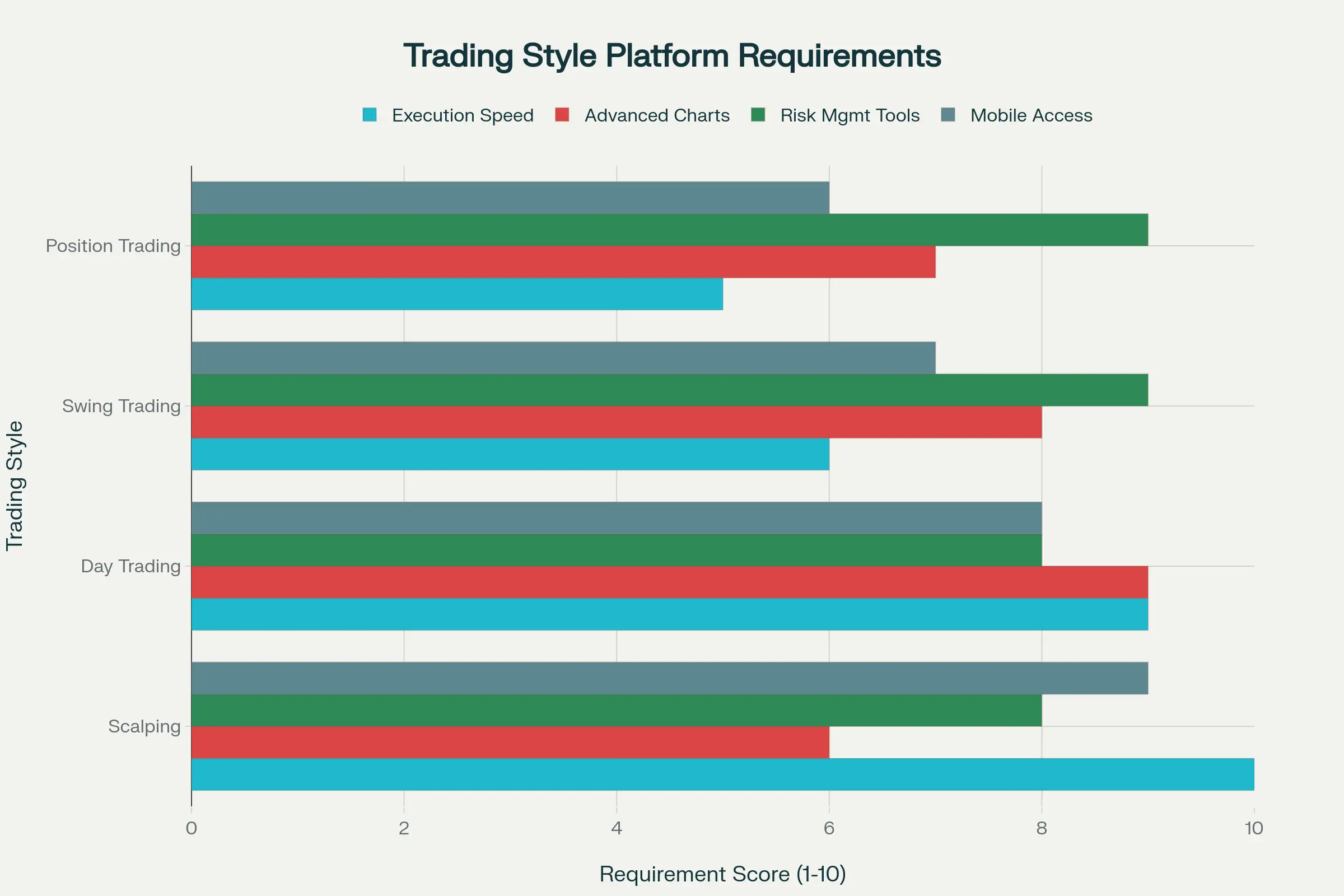
How Forex Trading Works
All foreign currency exchange transactions will involve two currencies or a currency pair (for example, USD / INR, EUR / USD, etc.). Normally, when a trader buys one currency, they are selling the other currency simultaneously. For example, if a trader thinks the US dollar will rise against the Indian rupee, they would buy USD / INR. If the US Dollar rose then the trader would have a profit if he sold it back at another time.
Unlike equities, forex has no structured exchange; it is a global activity that operates 24 hours a day, five days a week (Monday to Friday) in different time zones. The trading day, or forex session, is divided into major trading sessions (Asian, European and American), which sometimes overlap, resulting in major liquidity and volatility.
Some basic mechanics are:
- Base Currency and Quote Currency: In USD/INR, the base is USD, the quote currency is INR.
- Bid/Ask Price: The price traders can buy/sell.
- Spreads: The small difference between the price of buying and selling is a measure of transaction cost.
- Leverage: One can trade in relatively large positions with a small margin deposit, magnifying possible gains and losses.
Because the foreign exchange market is decentralised, it is continuously being impacted by and reacting to news that affects the global economy, monetary policy decisions by central banks, and geopolitical events. Traders who stay informed may profit in the market but also need to be cautious of volatility.
Why Forex Trading Appeals to Traders
Several characters that are worth considering:
- Liquidity: The forex market is the most liquid in the world. Major pairs like EUR/USD or USD/JPY can be bought/sold in large-volume transactions instantly, as they represent the most liquid instruments available in the marketplace, and have very little impact on the price.
- Time Flexibility: The forex market is open 24/5, allowing traders from different time zones to choose their hours. In the stock market, there is a “closing bell” on weekdays.
- Leverage: Forex brokers will often offer leverage of up to 50:1 or greater, allowing traders to enter very large positions (in their margins), with very limited capital. Leverage increases not only profit potential, but also the potential for loss.
- Low Initial Investment: Spreads are generally very tight, which means traders don’t incur high brokerage charges on every transaction.
- Volatility: Currency values respond quickly to global happenings (e.g., interest rate changes, inflation reports, and political developments), which creates opportunities for both short-term traders and long-term investors.
This degree of accessibility and opportunity has made forex increasingly attractive to Indian traders wanting to explore global markets.
Forex Trading in India: Rules and Regulations
In India, forex trading is allowed, but only within the boundaries of very strict regulations. Currency derivatives are regulated by the Reserve Bank of India (RBI) and the Securities and Exchange Board of India (SEBI).
What Pairs are Allowed: Residents are allowed to trade certain INR-based pairs (USD/INR, EUR/INR, GBP/INR, JPY/INR, and a few major international pairs (EUR/USD, GBP/USD, USD/JPY) – only some.
What Platform and Exchanges are Allowed: Trading must only take place on recognised exchanges like NSE, BSE, and MSE.
Most importantly, trading on international platforms and/or using unregistered brokers is prohibited. This is great for investor protection; however, it limits access in comparison to traders from other countries.
For new traders in India, the important consideration here is to keep these compliance rules in mind before deciding to engage in the forex markets.
Forex vs Stock Trading
Although speculation is a part of both, there are essential differences between forex trading and stocks:
- The Assets: Forex trades currencies (including commodities), while stocks trade shares in a company.
- Market Hours: The forex market is global and open 24/5; Indian stock markets are open between 9:15 AM to 3:30 PM.
- Liquidity: Forex has the best liquidity; stocks can be less liquid depending on company size.
- Leverage: Forex brokers give far more leverage than a stock exchange (in India).
- Price Drivers: The Forex market is driven largely by macroeconomic indicators, whereas stocks are driven by company value and outside influences.
To summarize, the differences between forex and stock are whether a trader is interested in the fundamentals of a company or global economics.
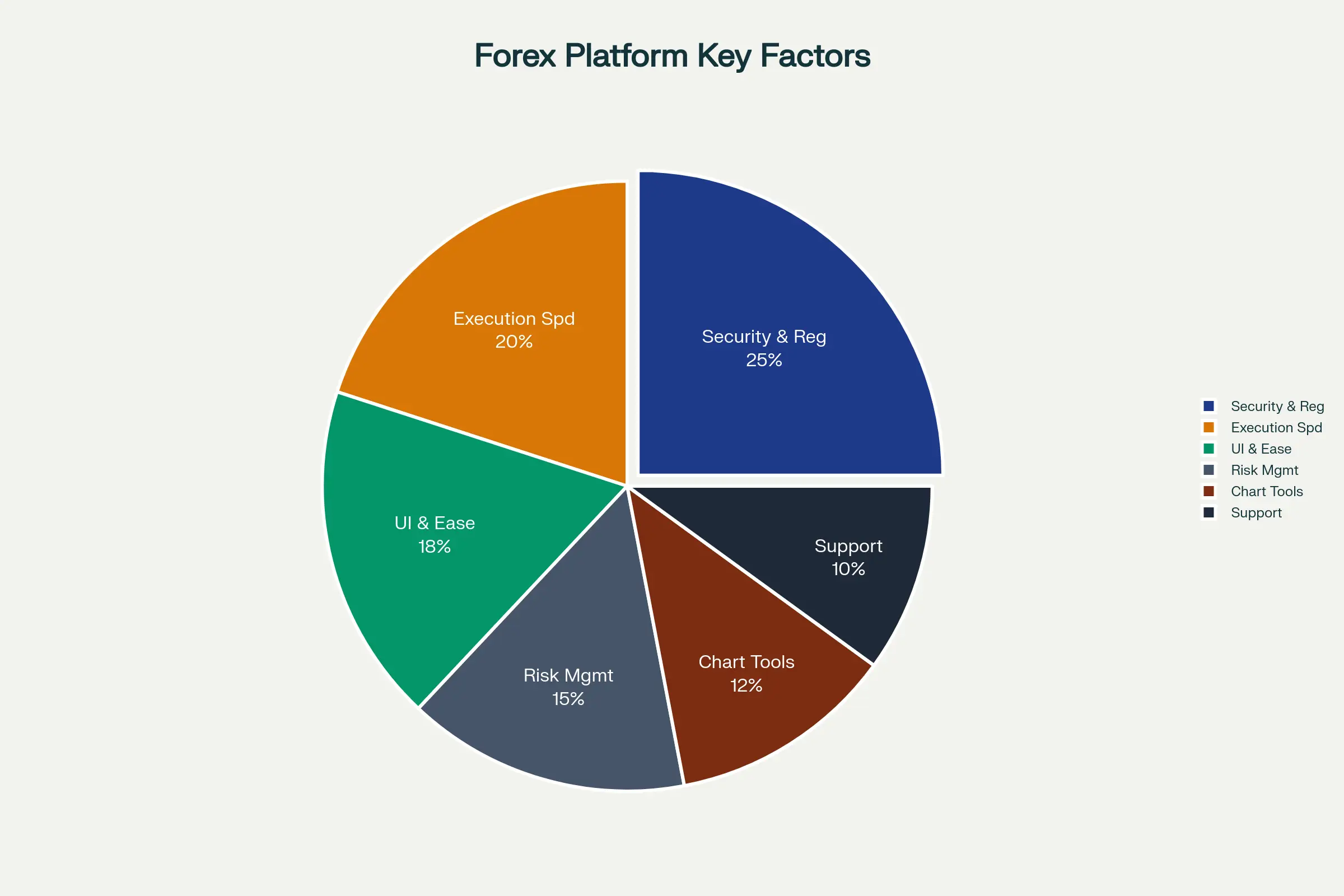
Tradex.live is now Tradex1.live: What This Means
Let’s look at how trading platforms are empowering investors. Tradex.live is now Tradex1.live, an enhanced platform allowing any retail trader in India a seamless trading experience. Although forex trading remains limited to regulated pairs at home, some platforms like Tradex1.live provide a myriad of other services.
Some of its standout features include:
- Zero Brokerage
- Up to 500× Margi
- 24/7 Deposits and Withdrawals
- Diverse Instruments
- Advanced Tools and Analytics
- Trusted Support
By combining affordability, accessibility, and technology, Tradex1.live addresses the evolving needs of modern Indian traders.
Should Forex Traders Consider Tradex1.live?
Foreign Exchange (forex) may seem narrow for Indian investors only operating on RBI-approved currency pairs, yet traders wishing for exposure to additional global markets e.g. US equities, commodities and CFDs, have the opportunity to engage with trades at Tradex1.live.
Tradex1.live offers a unique platform for traders with a zero brokerage model, high leverages plans, fast funding; all while catering to the needs of modern traders and offering regulatory friendly access.
Final Thoughts
Forex trading is a thrilling yet intricate market. For Indian investors, it is important to have an understanding of the regulatory environment, and while the access is very limited on the domestic side the facts of forex – currency pairs, leverage, globally impacting drivers – is still an important mind-set, and knowledge to have when pursuing almost any aspect of the financial market.
But traders also need reliable platforms to guide and help them along the way. Offering zero brokerage, high margins, and modern trading mechanisms, Tradex.live is now Tradex1.live is demonstrative of how technology is transforming user access and trading ability for Indian investors.
Download app: Android User | IOS User | Web Trader
Reach Tradex: https://tradex1.live/links/