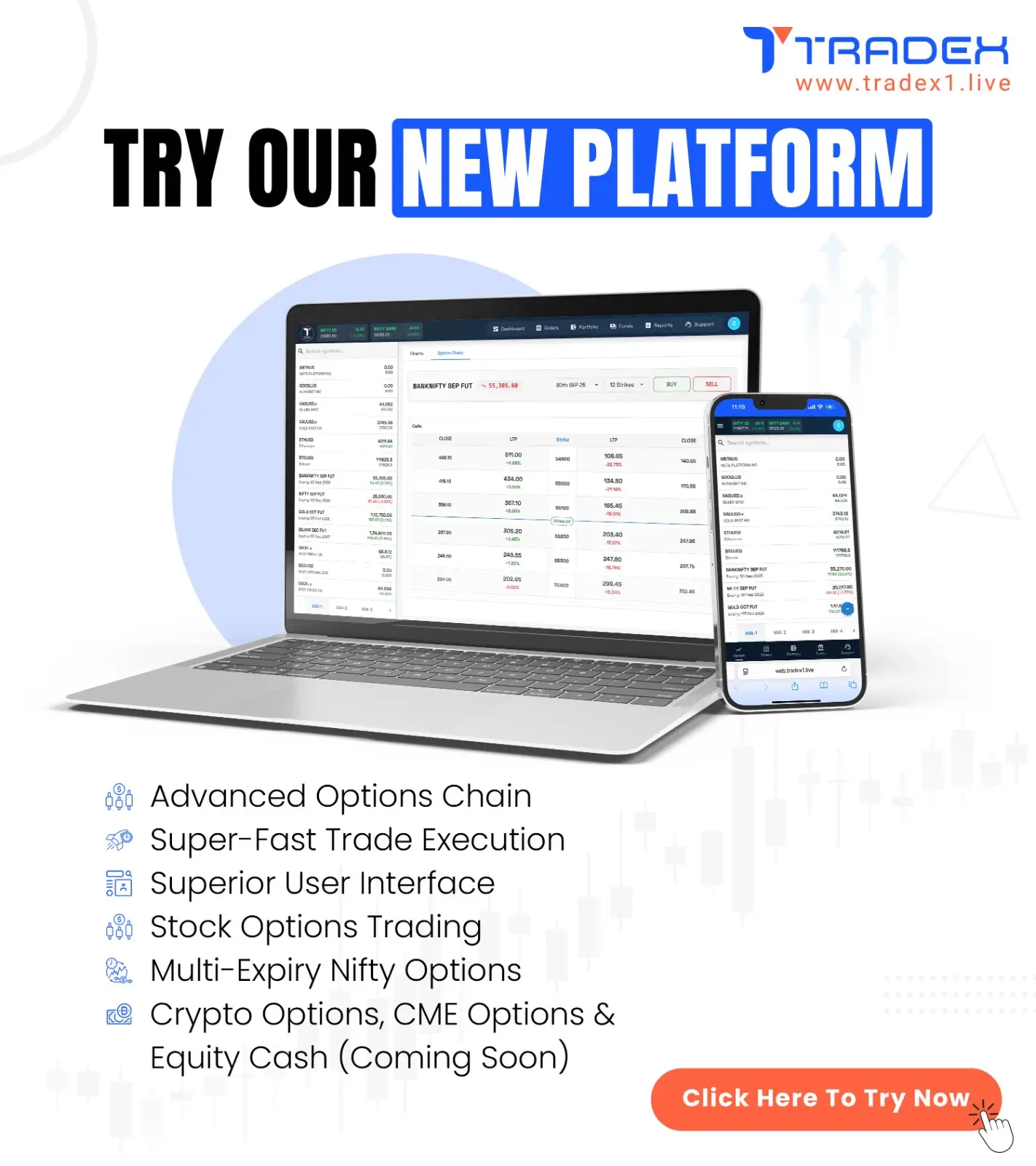
Forex trading is already intense — charts, trends, news drops, and emotional discipline. The last thing traders need? Watching profits disappear into brokerage fees. That’s where zero brokerage forex trading enters the chat. In simple terms, zero brokerage means you don’t pay commission per trade. Instead of losing a chunk of every transaction, traders get to keep more of what they earn, which, in today’s volatile markets, is a massive edge. And let’s be honest: when costs go down, confidence goes up. More flexibility, more trades, better risk management. It’s not just a pricing model. It’s a mindset shift.
Zero brokerage forex trading refers to platforms that charge no commission on trades. Instead of paying a fixed fee per lot or per transaction, traders usually only pay the spread. The difference between the buying and selling prices of a currency pair.
Traditional brokers often charge:
Zero brokerage platforms flip the model by:
Instead of charging commission, brokers earn through:
So when you open a EUR/USD trade, you’re not paying a brokerage fee — you’re simply trading at a marginally adjusted price. This means:
For active traders, scalpers, and intraday players, this structure can seriously improve long-term profitability.
Let’s be real, traders today are cost-sensitive, data-driven, and allergic to unnecessary fees. Zero brokerage fits perfectly into that mindset.
Zero brokerage increases trader retention, satisfaction, and lifetime value.
Let’s break this down with precision
If you’re placing multiple trades per day, commissions kill momentum. Zero brokerage lets you operate faster and cleaner.
No commission = fewer variables = better strategy analysis.
New traders don’t need large capital to absorb fees, making forex more inclusive.
When trading costs are low, stop-loss and take-profit strategies become more efficient.
Real talk: This is operational efficiency for traders.
No broker runs on vibes and goodwill.
Zero brokerage doesn’t mean zero cost. It means:
But here’s the difference:
Commission fees are fixed and unavoidable. Spreads fluctuate and can be optimized by choosing the right broker and trading during high liquidity sessions.
So while it’s not technically “free,” it’s:
✔ More transparent
✔ Easier to calculate
✔ Often cheaper in practice
Still a win.
If you’re trading actively and want maximum efficiency per trade, zero brokerage is not optional. It’s strategic.
Let’s put this into perspective:
| Feature | Zero Brokerage | Traditional Brokerage |
| Commission per trade | ❌ None | ✅ Charged |
| Cost transparency | ✅ High | ⚠ Often complex |
| Best for scalping | ✅ Yes | ❌ No |
| Beginner-friendly | ✅ Yes | ⚠ Depends |
| Profit retention | ✅ Higher | ❌ Lower |
Translation: Zero brokerage is built for modern trading behavior — fast, data-driven, cost-optimized.
Not all zero brokerage platforms are built the same. Some are elite. Some are… marketing decks with login pages. Here’s what to vet before onboarding:
Ensure the broker is regulated by trusted authorities like:
No regulation = no accountability. Hard pass.
Zero commission means spreads matter more. Look for:
MT4, MT5, cTrader — ensure:
Check:
24/7 support is non-negotiable in forex. Markets don’t sleep, nor should your broker’s help desk.
Pro move: Test with a demo account before committing capital.
Not true. Many top-tier brokers use zero brokerage models with institutional-grade liquidity.
Wrong. Professional traders love low-cost models. That’s literally hedge fund logic.
Not if the broker is regulated and transparent. Always read the fee structure — but zero brokerage itself is legit.
Not necessarily. During peak liquidity hours, spreads on zero brokerage accounts can rival ECN accounts.
Translation: Zero brokerage isn’t a compromise — it’s an optimization.
Safety depends on broker legitimacy, not pricing models.
Zero brokerage forex trading is safe when:
Red flags:
If it sounds too good to be true, it probably is.
Retail trading is moving toward:
Zero brokerage fits perfectly into this evolution.
Just like zero-commission stock trading reshaped equity markets globally, zero brokerage forex trading is rewriting currency trading economics, making markets more democratic, more efficient, and more accessible.
And in competitive markets, lower friction always wins.
Zero brokerage forex trading isn’t a trend — it’s the new baseline.
It empowers traders by:
Whether you’re scalping EUR/USD at 2 a.m., swing trading GBP/JPY, or just learning how pip movements work. Zero brokerage lets your strategy breathe instead of suffocating it with fees.
If you’re still paying commissions in 2026, respectfully, you’re overpaying. Trade smarter. Trade cheaper. Trade with zero brokerage.